Where Every Actor's Journey Actually Begins
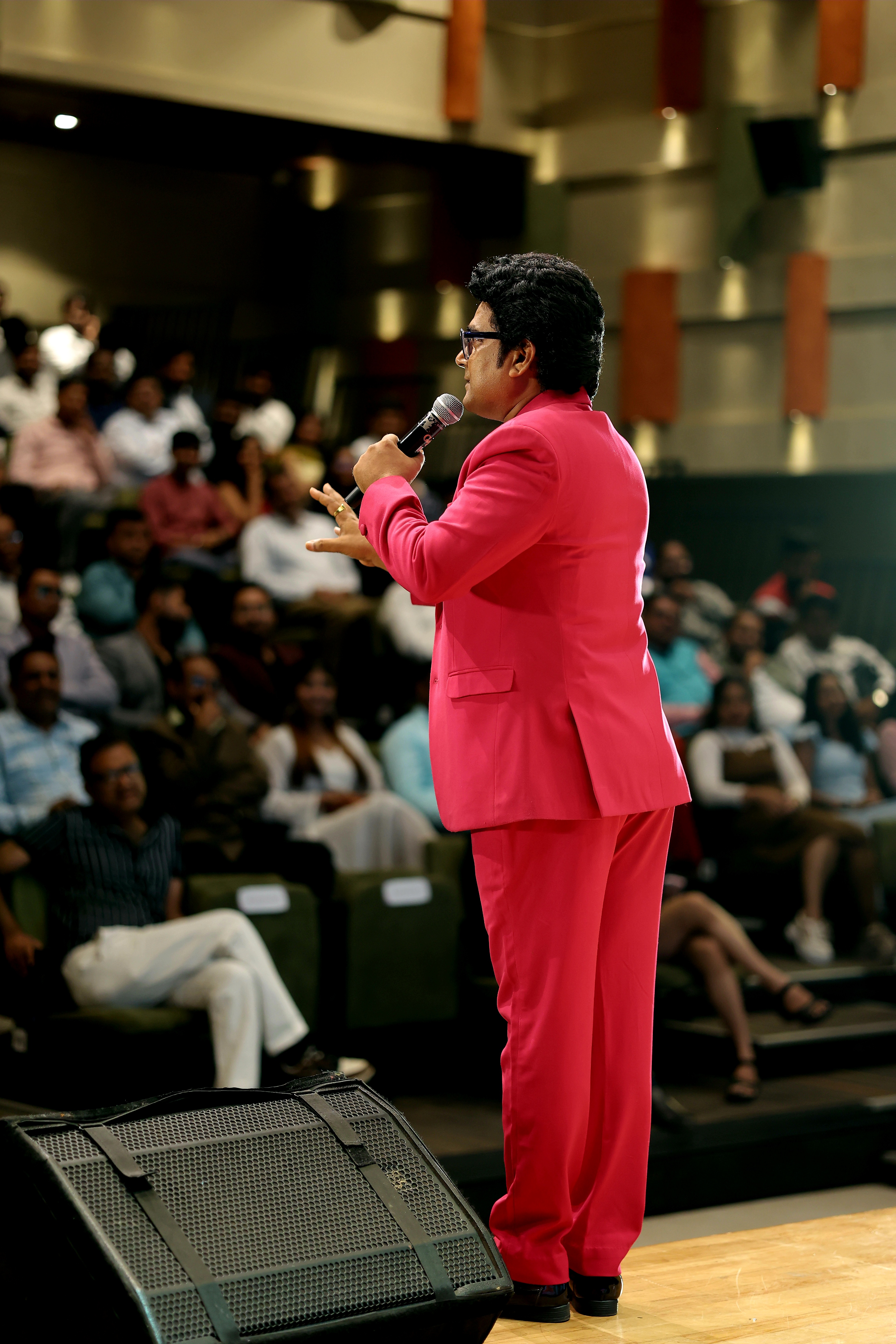
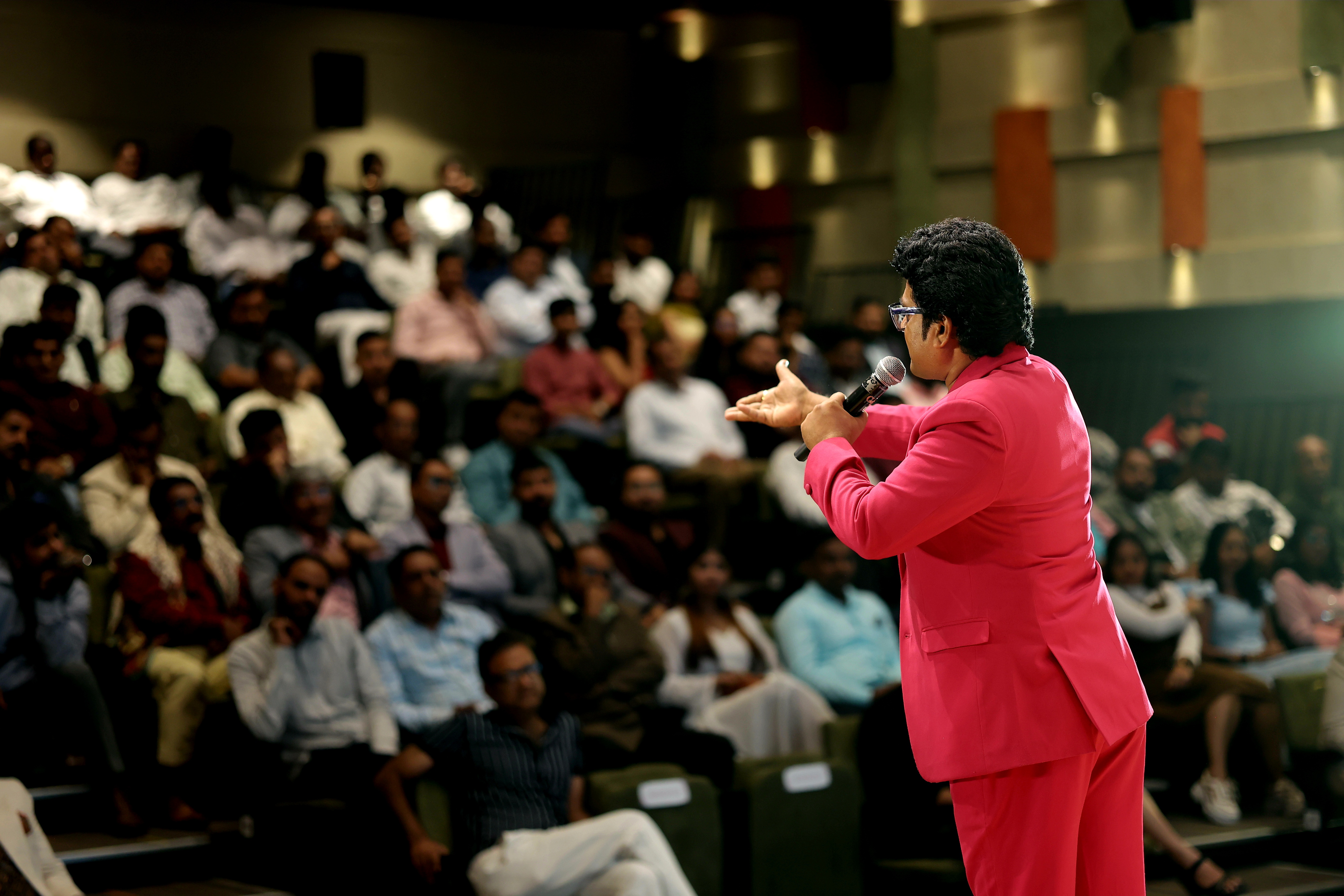
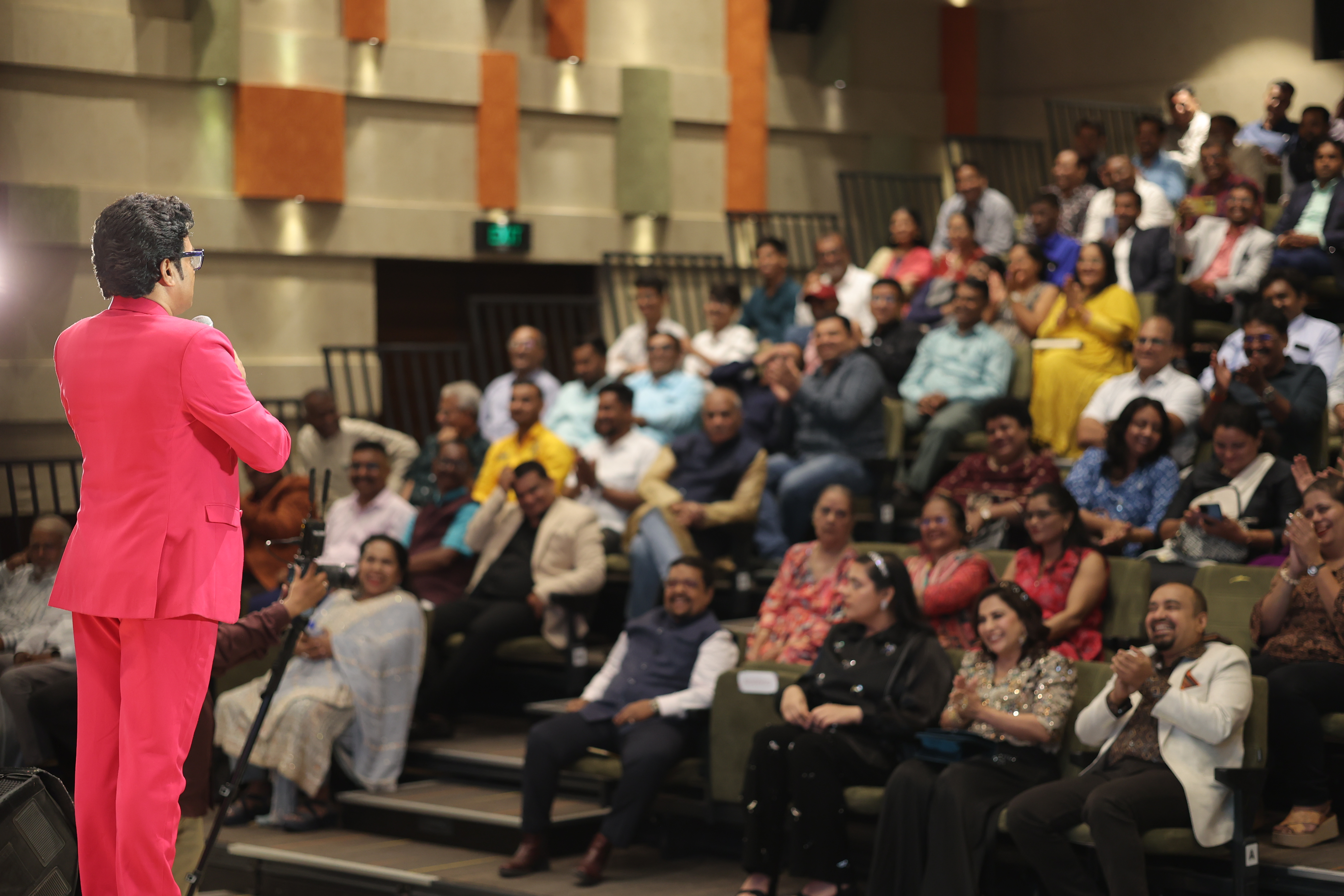
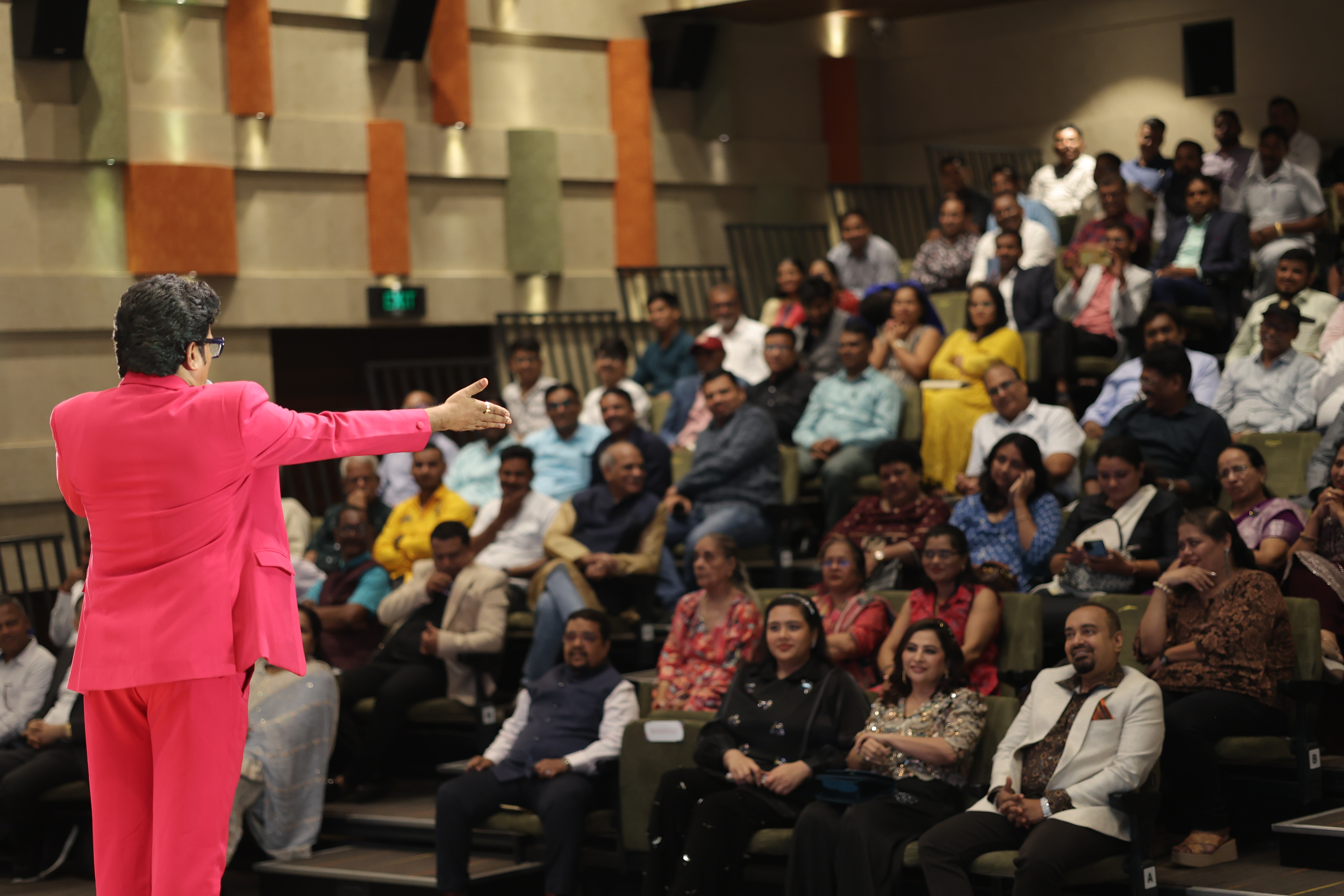
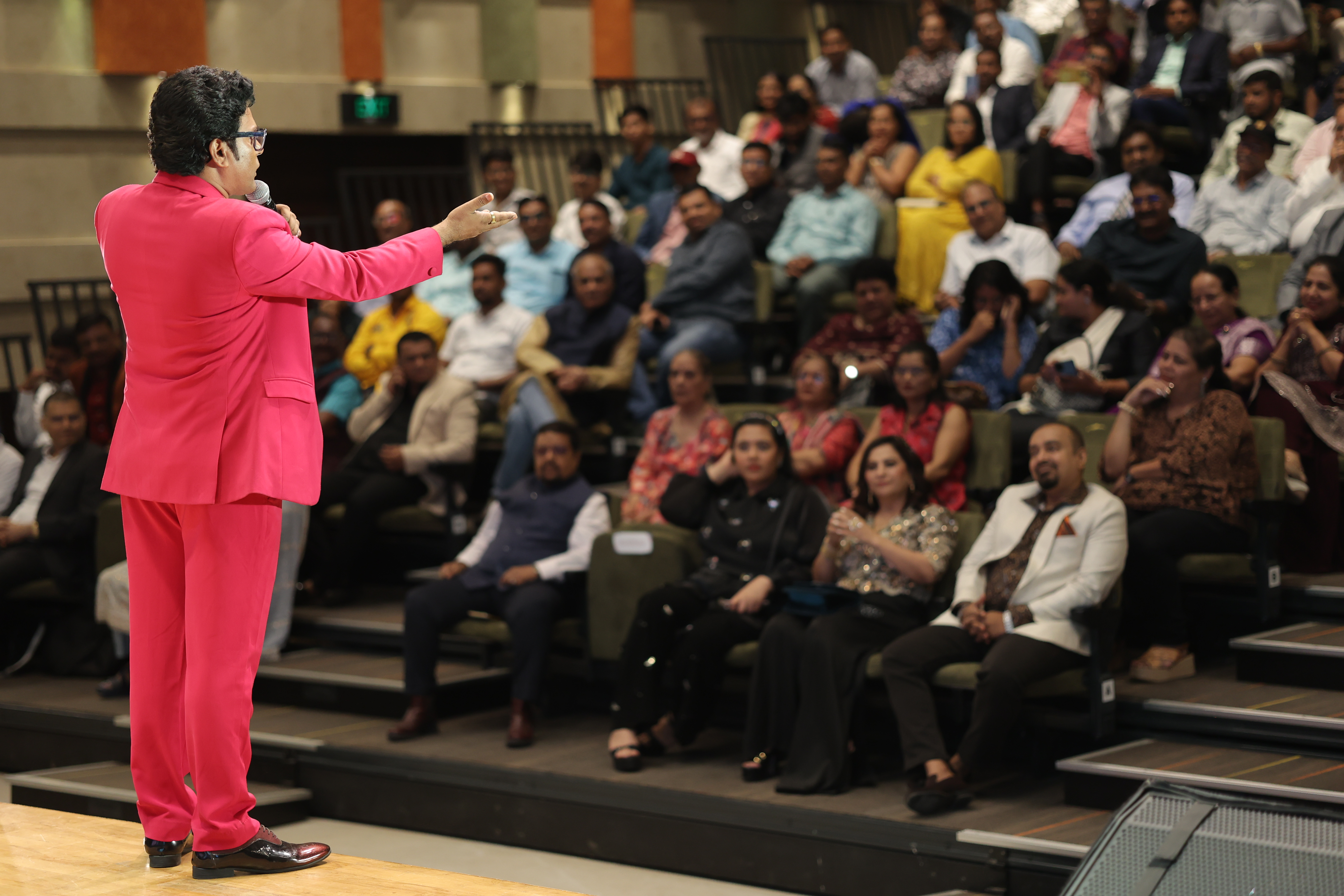
Long before Navin Prabhakar ever heard "lights, camera, action" on a film set, he was standing under a single spotlight with nothing but a microphone and a room full of strangers to win over. That's the part of an actor's journey that rarely makes it into a magazine profile — the years spent on stand-up stages, corporate halls, and college festivals, learning the one skill that no acting school can fully teach: how to hold an audience's attention and keep it. For Navin, stand-up comedy wasn't a stepping stone he planned in advance. It was simply where he started, and it turned out to be the best possible training ground for everything that came after.
His breakout moment came through mimicry — the now-famous "Pehchaan Kaun" act on The Great Indian Laughter Challenge, where he slipped between voices and personas with a precision that made audiences do a double take. That act didn't just make him a recognisable face on Indian television; it quietly built the exact muscle that screen acting depends on. Mimicry demands total commitment to a character, even for thirty seconds at a time. It's a compressed version of what an actor does across an entire film — inhabit someone else completely, then let them go.
The Pull Toward the Camera
Stand-up comedy and film acting look like different worlds from the outside, but performers who've done both will tell you the overlap is bigger than people assume. A stand-up set is unscripted in the moment but built on relentless preparation — knowing exactly how a line should land, when to pause, when to let silence do the work. Acting for camera trades the live audience for a lens, but the core instinct doesn't change: read the moment, commit fully, and never let the effort show. Navin's transition into film work wasn't a reinvention. It was an extension of a skill set he'd already spent years sharpening on stage, now aimed at a different medium.
What made the shift smoother than most is something casting directors notice quickly: comedians who've survived years of live crowds rarely struggle with nerves on set. They've already faced the toughest audience there is — a room that can turn silent in an instant if a joke doesn't land. Once you've handled that, hitting a mark in front of a camera crew feels almost forgiving by comparison.
Comedy Timing, Translated to Screen Acting
Comic timing is often treated as a party trick — something a performer either has or doesn't. In reality, it's one of the most technical skills in the entire craft of acting, and it's exactly what makes a comedian's transition into film so compelling to watch. Timing on screen isn't just about when a line is delivered; it's about the half-second before it, the reaction after it, and the restraint to let a moment breathe instead of rushing through it. Years of live stand-up had already forced Navin to master that rhythm in the hardest possible setting — with no retakes and no editor to fix a beat that didn't land.
That discipline shows up differently on a film set. A scene might be reshot from six different angles, but the actor still has to find that same instinctive rhythm each time, matching energy across takes that could be filmed hours apart. It's a different kind of pressure than a live audience, but it draws on the same core skill: total command over pacing.
Building a Career on Two Parallel Tracks
What sets Navin apart from performers who make a clean jump from one medium to another is that he never actually left the stage. Even as his film work grew, Paichankon Comedy Night — his own signature three-hour ticketed live show — kept expanding across Indian cities. Corporate stages kept calling. Anchoring gigs kept coming in. Rather than treating acting as a departure from stand-up, he built it as one more track running alongside everything else, each one feeding the other.
That dual life is rarer than it sounds. Most performers who move into film step back from the grind of live circuit work, simply because there isn't enough time in a year to do both properly. Navin's choice to keep all of it running in parallel says something about where his instincts actually sit — not in choosing a single format to specialise in, but in staying sharp across all of them at once.
What Casting Directors Notice
Ask anyone who has cast a comedian in a dramatic or semi-comic film role, and they'll usually mention the same thing: comedians tend to arrive on set already understanding structure. They know how a scene is meant to build, where the emotional turn sits, and how to hit a beat without over-explaining it. That instinct doesn't come from formal training — it comes from years of standing in front of audiences who make their reactions known immediately, with no room for a performer to hide behind a script.
It's also why Navin's screen work carries a different kind of ease than performers coming from a purely dramatic background. He isn't reaching for comic timing as a technique; it's simply how he's built, after two decades of stages that demanded it night after night.
The Discipline Behind the Range
Versatility gets talked about a lot in the entertainment industry, but it's easy to underestimate how much discipline it actually requires. Moving between stand-up, mimicry, film roles, singing, and anchoring — sometimes within the same week — means constantly recalibrating what a performance needs to be. A corporate stage in the afternoon might call for polished, brand-safe comedy. A film set the same month might call for something quieter and more controlled. Managing that range without letting any one skill go rusty is arguably harder than mastering a single lane extremely well.
Navin's film career reflects exactly that kind of range — roles that call on comic timing without ever feeling like a stand-up routine dressed up as acting. It's a distinction that matters, and one that audiences who've followed his stage work for years can spot immediately.
Where the Story Goes Next
Two decades in, Navin Prabhakar's path from stand-up stages to the Bollywood screen still reads less like a career pivot and more like a continuation — the same performer, the same instincts, simply given a new medium to work in. For fans who first knew him from a mimicry act on television, the film credits are less a surprise and more a natural next chapter in a story that started with a single microphone and a room full of strangers to win over.
Want Navin's Stage Energy At Your Event?
The same comic timing, mimicry, and stage presence that carried him onto the big screen is exactly what he brings to every corporate show and comedy night he headlines.