What "Solo Performance" Actually Means
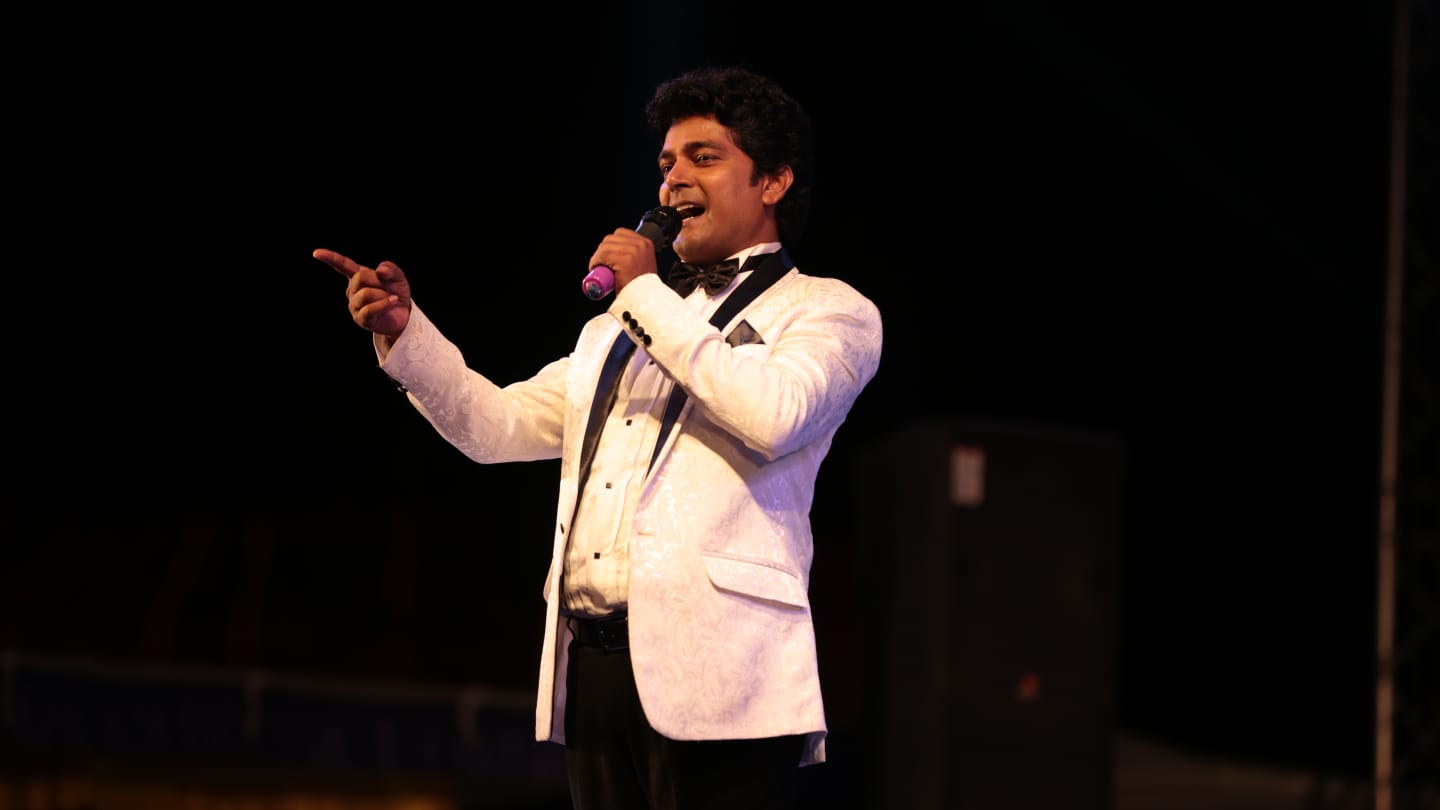
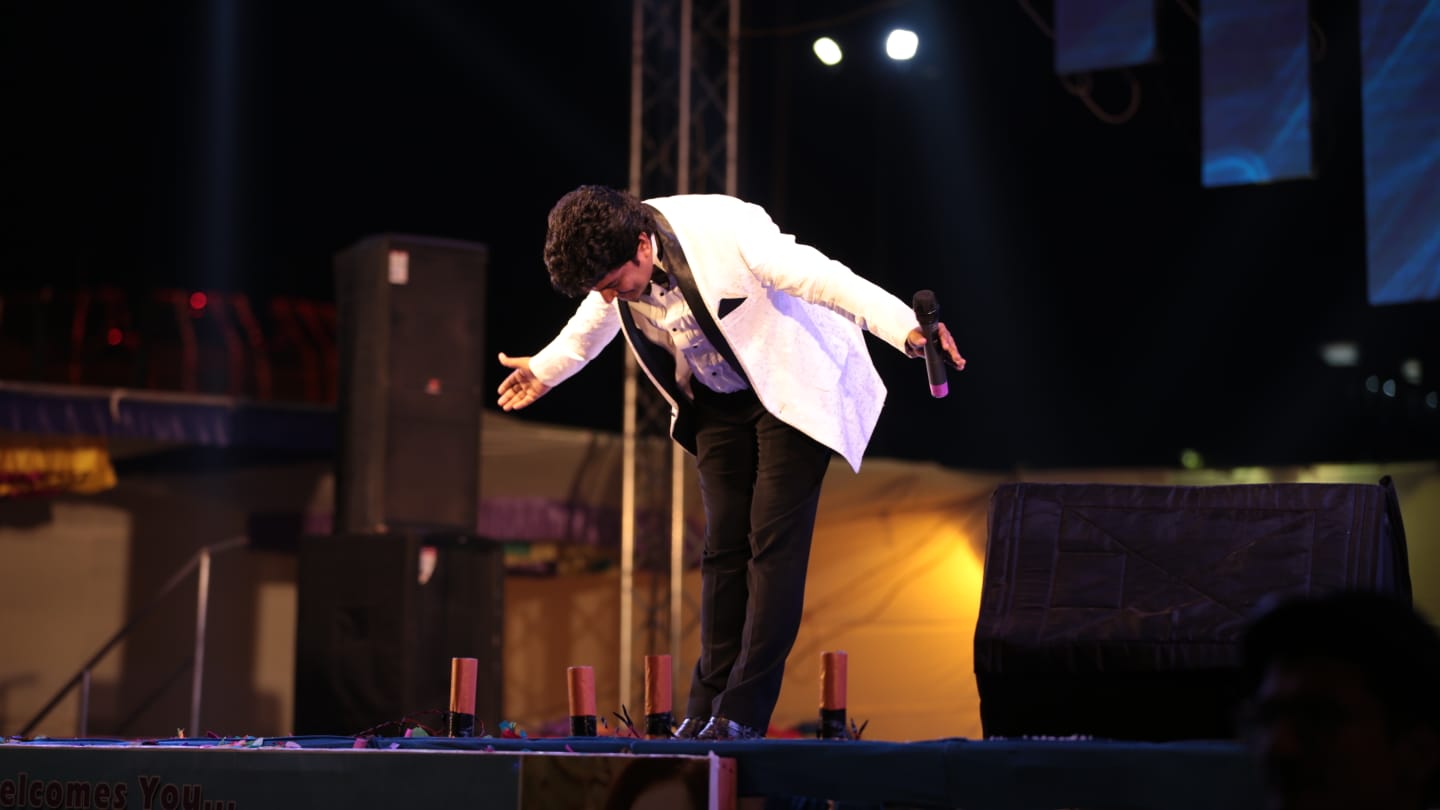
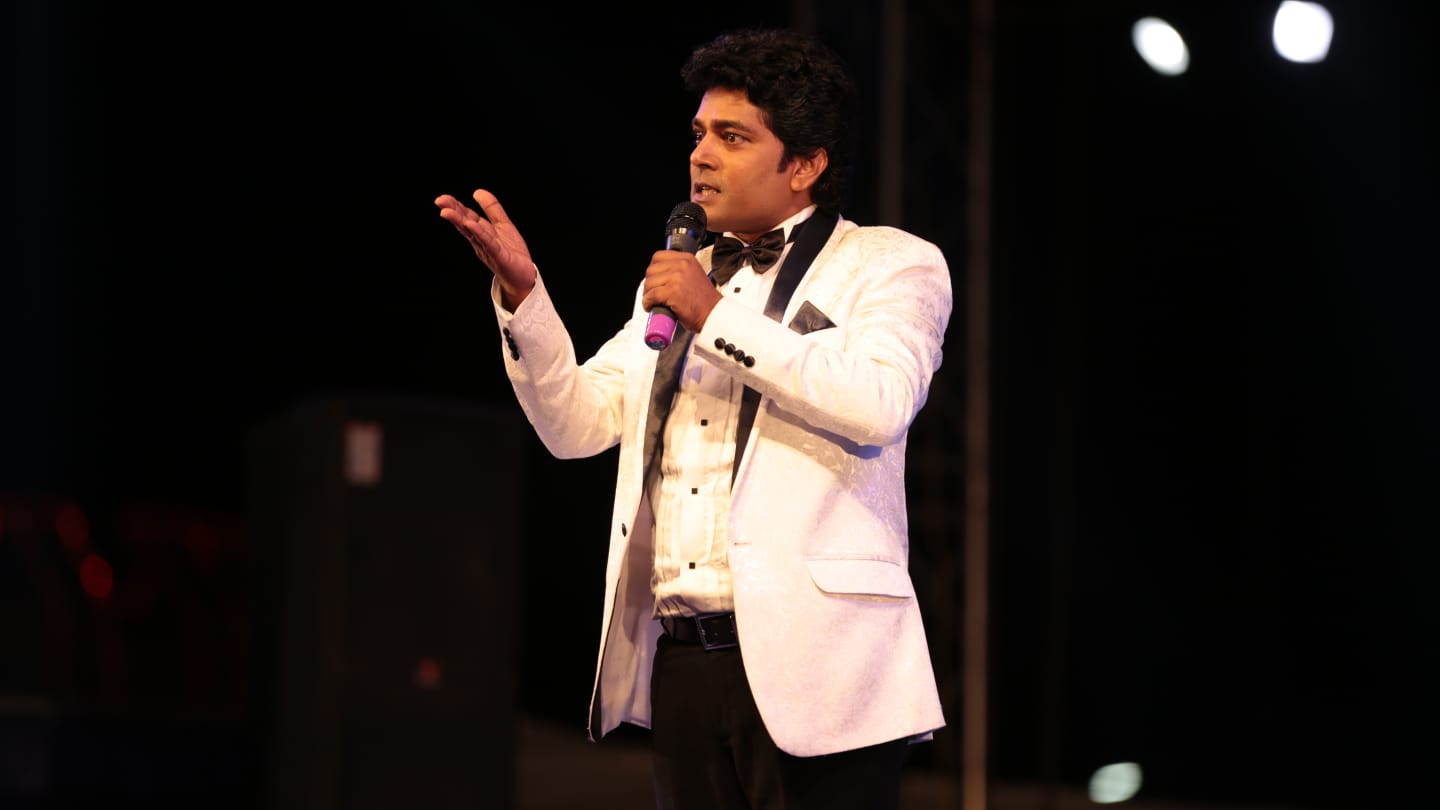
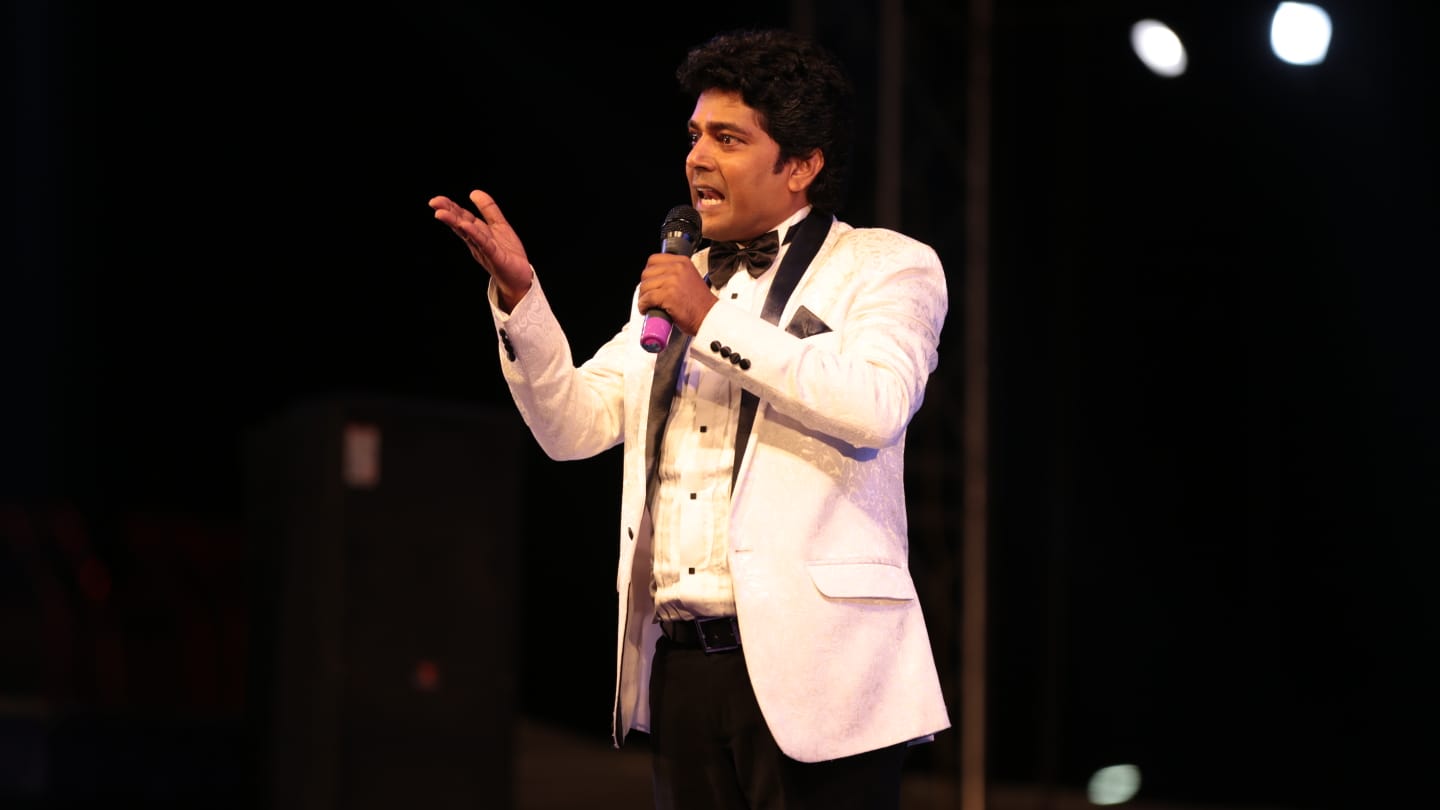
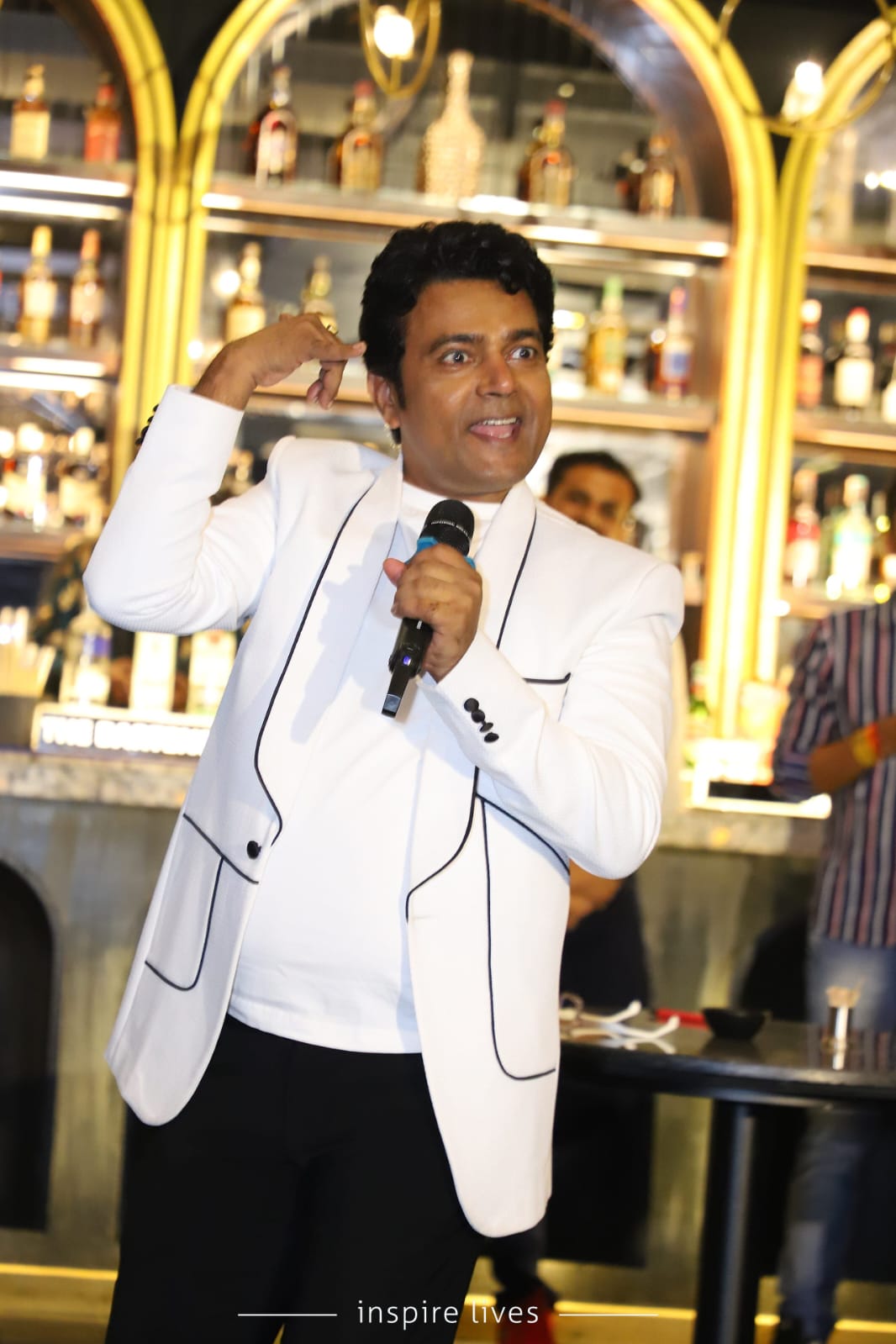
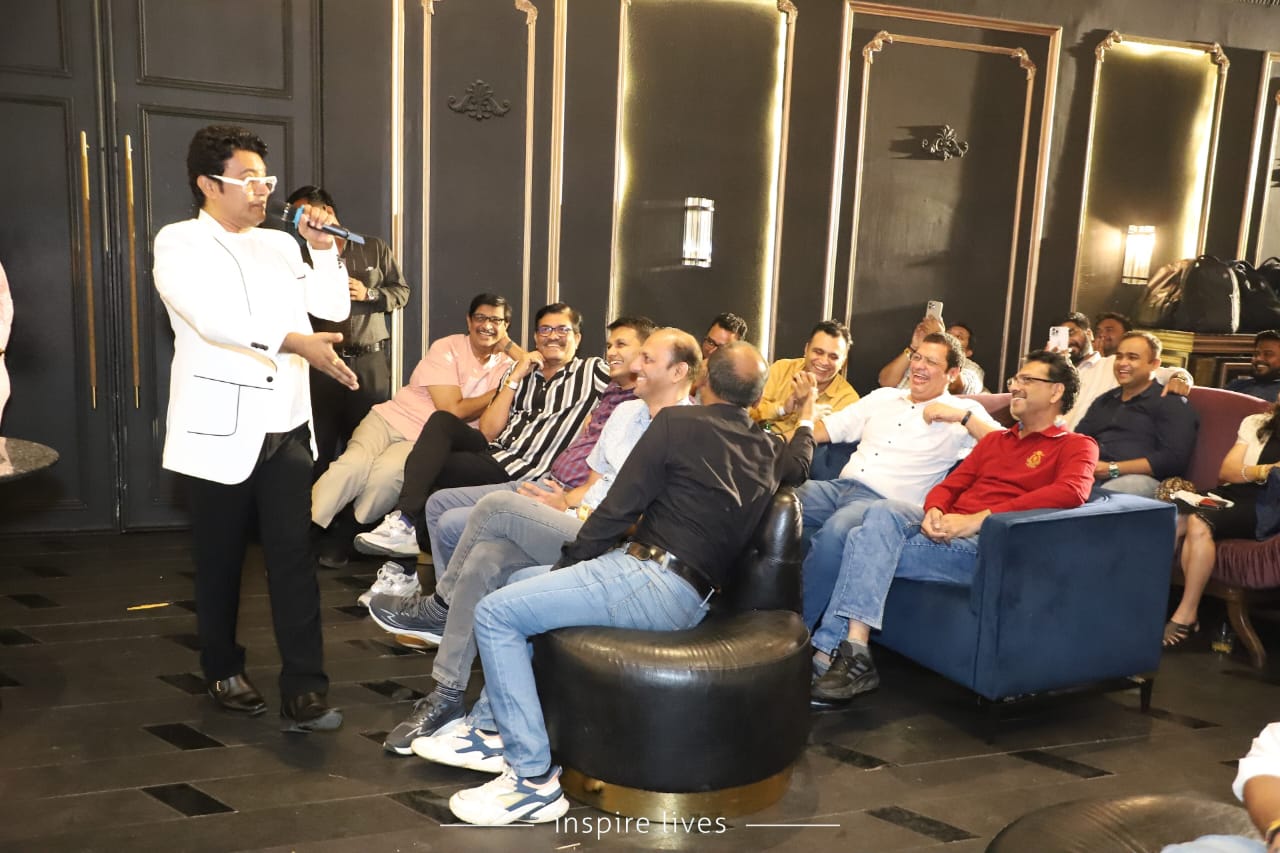
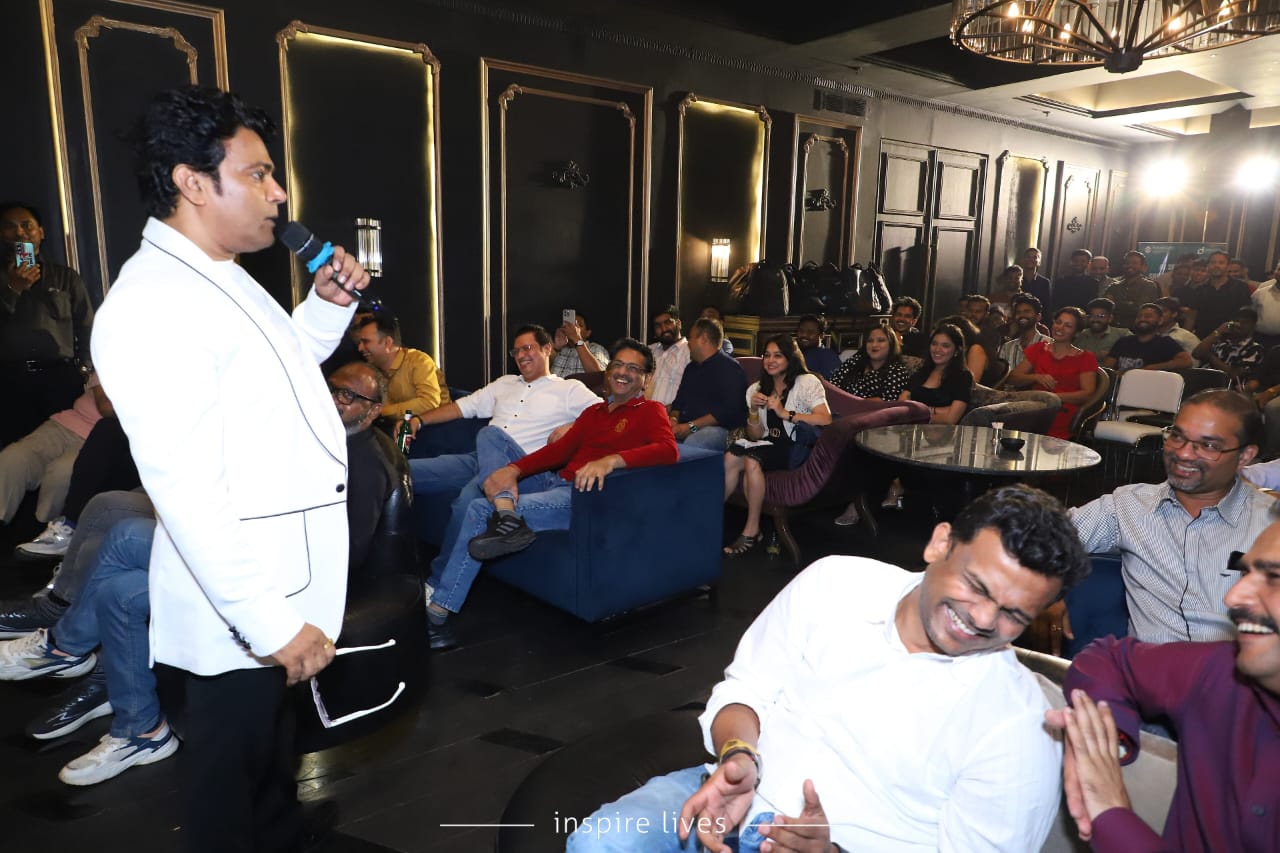
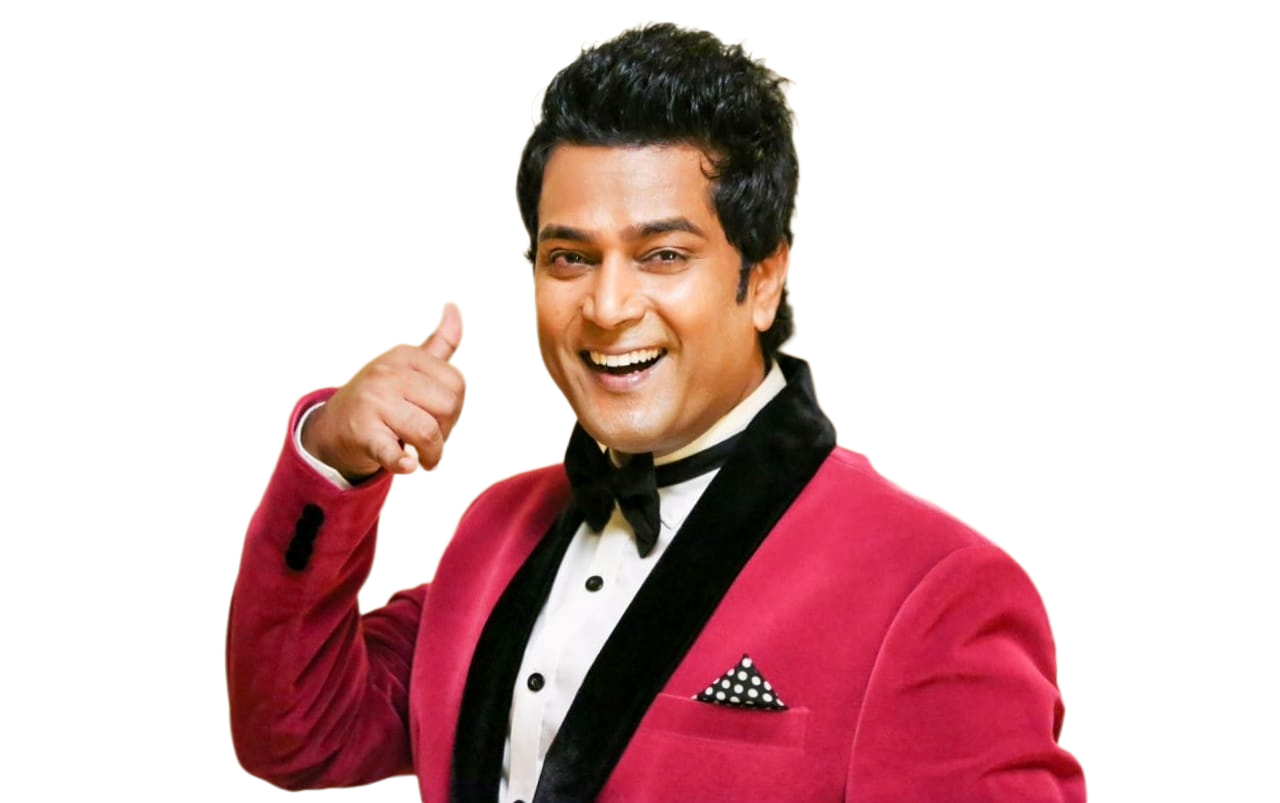
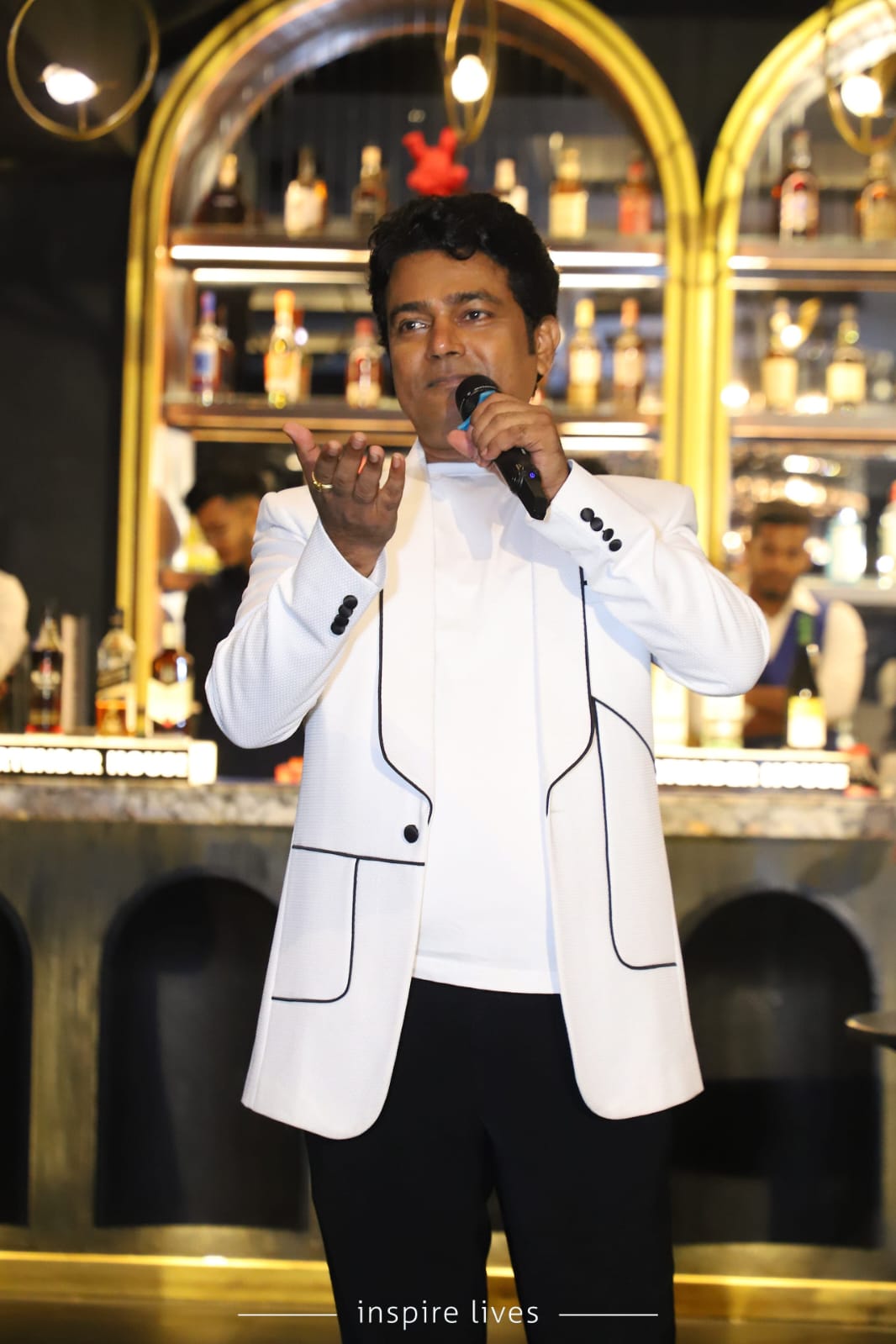
Not every event needs an anchor. Some already have a host, an internal emcee, or an agenda that doesn't need someone running the whole evening — what they need is a strong, self-contained entertainment slot that walks on, delivers, and walks off without requiring any extra coordination. That's exactly what the solo performance booking is built for. It's Navin Prabhakar's stand-up, mimicry and singing set, packaged as a standalone act rather than folded into hosting duties — a clean 45-to-60-minute block that can slot into any event format without needing to touch the rest of your run-of-show.
This is a different booking from anchoring. Anchoring means Navin runs the whole event — welcomes, transitions, speaker introductions — with comedy woven throughout. The solo performance is narrower and more focused: one dedicated slot, entirely his, built to be the entertainment highlight of the evening rather than the structural backbone of it.
What's Inside a Typical Set
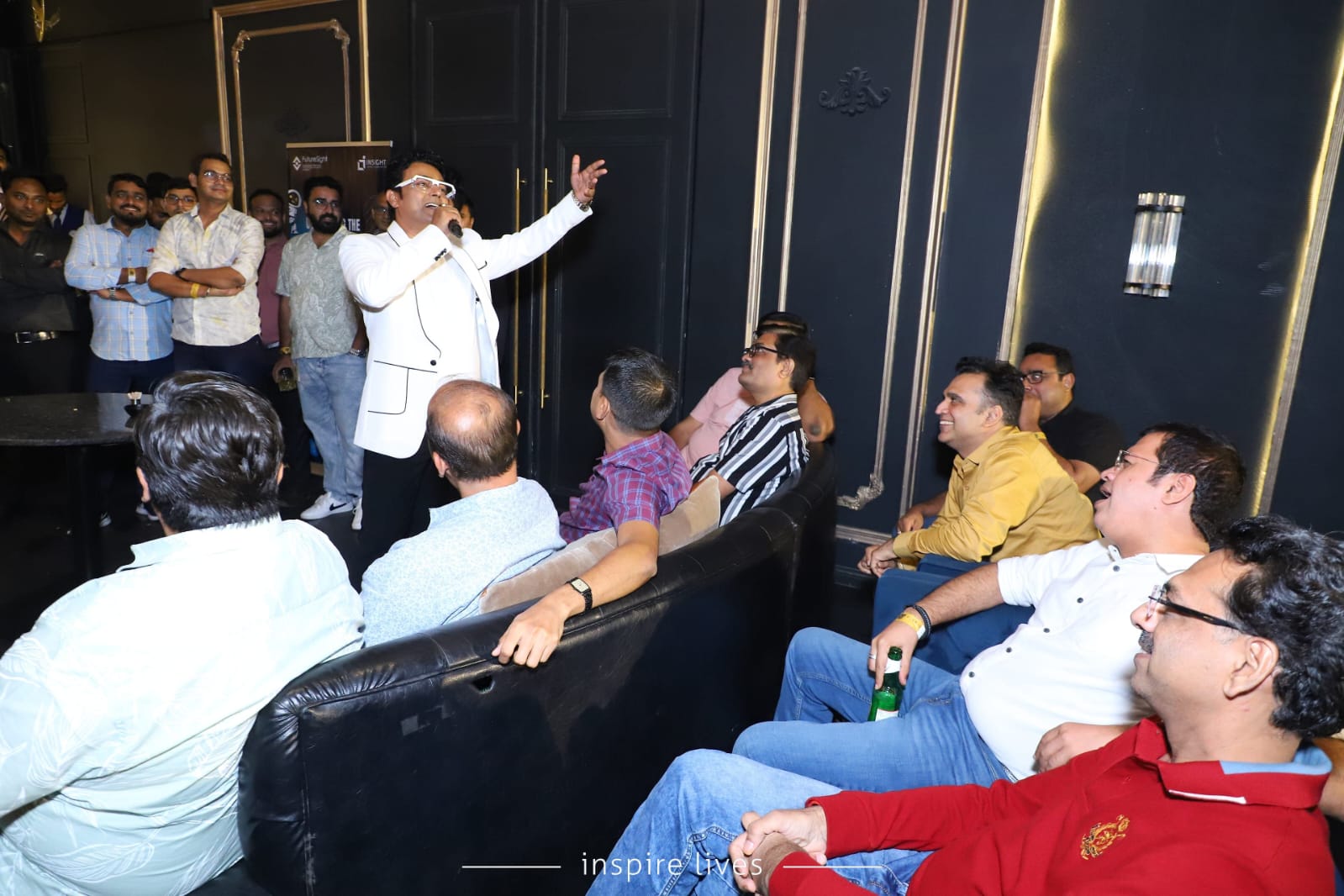
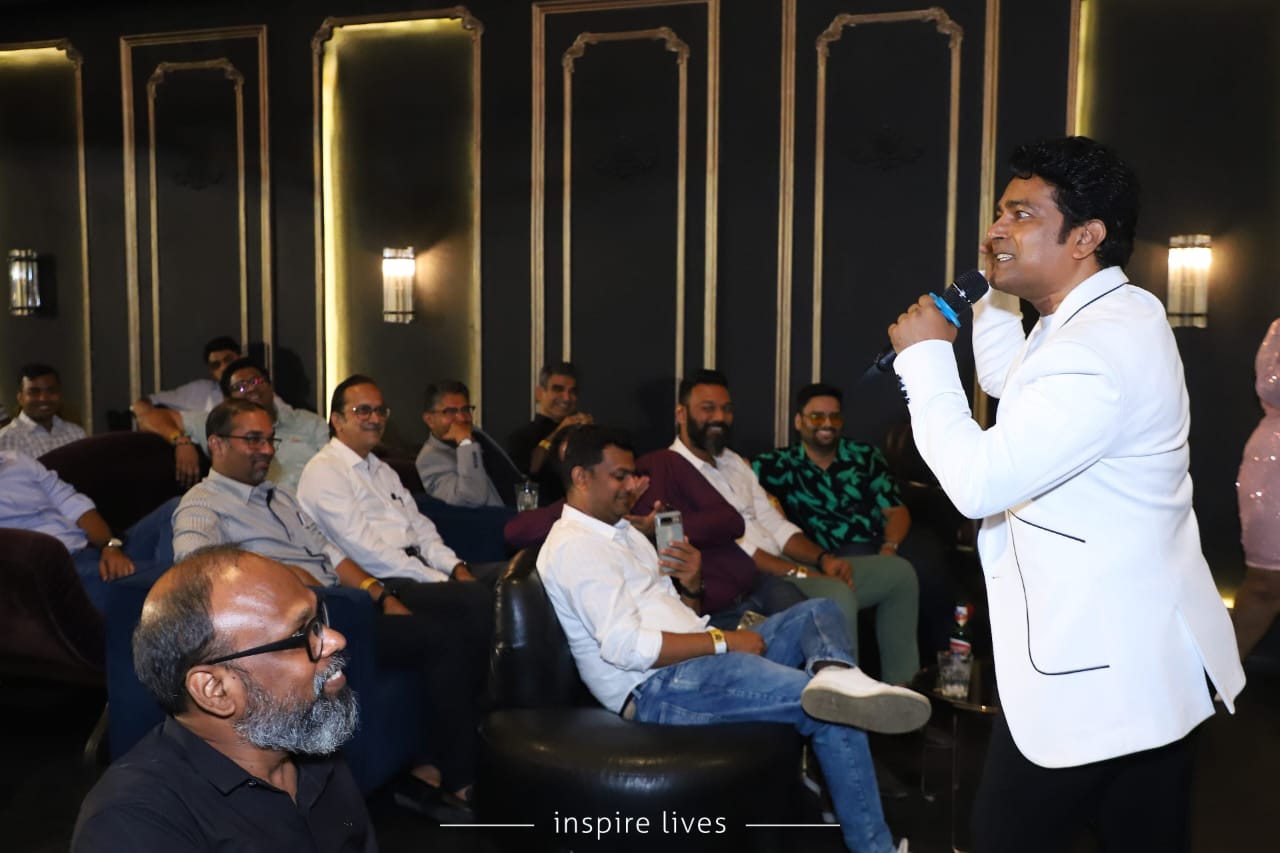
A solo performance is built around three things Navin has spent two decades sharpening: stand-up comedy, mimicry, and live singing. The stand-up material draws on observational humour that plays well with a mixed corporate crowd — nothing that risks alienating any part of a diverse audience. The mimicry segment pulls from a repertoire that spans more than a hundred Bollywood personalities, which tends to be the part of the set that gets the loudest audience reaction, since it's visual and instantly recognisable even to guests who don't usually follow comedy. And because Navin's career started in music before comedy, most sets include at least one live singing moment — often a sing-along that turns a formal room into something closer to a shared, unguarded moment.
The exact mix shifts depending on the audience. A leadership-heavy crowd gets a more restrained, polished version. A younger, high-energy audience gets more crowd work and a longer mimicry stretch. That flexibility is built into the format itself, not bolted on as an afterthought.
Why Companies Book The Solo Slot Specifically
Event organisers usually choose the solo performance over the full anchoring package for one of two reasons. The first is practical: the event already has a host or an internal team member running the agenda, and what's missing is simply a strong entertainment segment to close things out or break up a long formal programme. The second is about focus: some organisers specifically want the entertainment slot to feel separate from the formal parts of the evening — a clear, contained moment where the tone shifts from business to genuinely fun, rather than comedy woven continuously through the whole event.
Both reasons point to the same underlying strength of the format: it's self-contained. There's no need to brief Navin on your full agenda, coordinate his cues with your other speakers, or build your run-of-show around his transitions. He shows up, performs the set, and hands the room back.
Where It Fits On Your Agenda
Most solo performances land in one of three spots: right after dinner when energy naturally dips and a room needs re-engaging, as the closing segment that sends guests out on a high note, or as a dedicated entertainment block scheduled between formal segments like awards or leadership addresses. Wherever it sits, the goal is the same — a self-contained burst of energy that doesn't depend on what came immediately before it or need careful handoff planning with the rest of the programme.
This also makes the solo slot easier to plan around technically. It typically needs a stage, a mic, and basic sound — no coordination with other performers' cues, no shared green room scheduling, no dependency on a wider run-of-show staying exactly on time.
What The Booking Process Looks Like
Booking the solo performance works the same simple way as any other format: share your event date, city, expected audience size, and roughly where in your agenda the set would sit, and the team will confirm availability and send a quote. Because it's a self-contained slot, there's very little back-and-forth needed on logistics beyond the basics — stage size, sound setup, and timing.
Want The Solo Set At Your Event?
A focused 45-to-60-minute stand-up, mimicry and singing set that slots into your existing agenda without needing to restructure anything around it.