
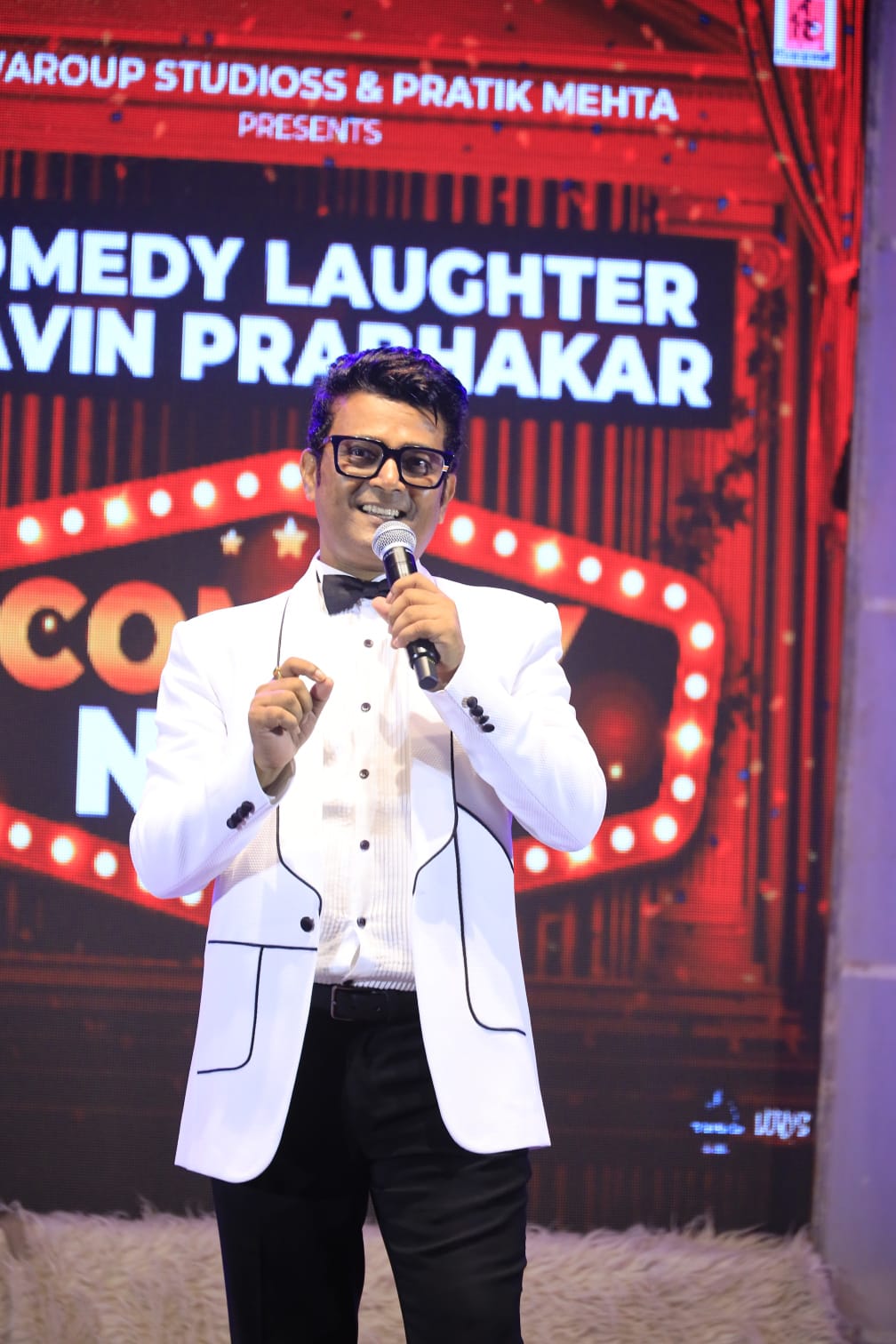


Twenty Years, And It Comes Down To One Thing
People sometimes ask what changes about a corporate show after doing this for twenty years — better jokes, sharper timing, a bigger bag of tricks. Some of that's true. But if I had to name the one real lesson that stuck, it isn't any of those things. It's this: the room decides what the show is, not the run-of-show sheet. Everything else I've picked up over two decades is really just different ways of acting on that one idea.
It sounds obvious written down. It wasn't obvious to me starting out.
What I Got Wrong Early On
When I was newer to corporate stages, I treated every show like a script to execute well — hit the beats, land the jokes, keep to time. That approach works fine when the room happens to match what you prepared for. It falls apart the moment it doesn't: a leadership-heavy crowd that isn't going to laugh at the same things a younger team would, an agenda running late and sapping everyone's energy before you even get on, a room that's clearly ready to go home an hour before the schedule says the event ends. Early on, I'd push through with the plan anyway, because the plan was what I'd prepared. It rarely worked as well as it should have.
My background before corporate events was stand-up and mimicry — an act called "Pehchaan Kaun" on The Great Indian Laughter Challenge, and years of live comedy nights after that. Comedy stages teach you fast whether something is landing, because the room tells you immediately and there's no run-of-show to hide behind. It took me longer than I'd like to admit to actually apply that same instinct to corporate hosting, instead of treating it as a different, more scripted kind of job.
What Changed
Somewhere over the years, the approach flipped. Instead of walking on stage with a fixed idea of how the show should go, I started walking on with a plan and a willingness to throw half of it out in the first five minutes if the room needed something else. That's a harder way to work — it means less certainty, more reading, more adjusting on the fly. But it's also the only approach that's actually held up, show after show, regardless of the audience, the agenda, or whatever went wrong backstage that nobody in the room needs to know about.
This is the part that's hard to teach and even harder to fake. It's not a trick or a formula. It's closer to a habit built from doing this enough times that reading a room becomes closer to instinct than effort — noticing within the first few minutes whether the energy is high or low, whether the crowd skews formal or relaxed, whether a bit that usually works needs to be dropped entirely for this particular room.
Why This Still Matters After This Many Shows
It would be easy to assume that after two decades, a show becomes routine — that you eventually find a formula and just run it. Honestly, the opposite has been true. Every corporate room is a slightly different mix of people, mood, and circumstance, and the "one lesson" doesn't get easier to apply with experience so much as it gets more automatic to notice. What experience actually buys you isn't a script that always works. It's a faster, more reliable read on when to abandon the script that doesn't.
That's also, honestly, why I don't think of corporate anchoring as a separate skill from stand-up or mimicry. It's the same core instinct — reading a room and adjusting to it — just aimed at a different kind of audience, with a run-of-show instead of a five-minute comedy set as the starting point.
What This Means For Your Event
If there's a practical takeaway in all this, it's that the run-of-show you send over is a starting point, not a contract. I'll read it, prepare against it, and show up ready to follow it — but I'll also be paying attention to the room the whole time, and adjusting where it genuinely helps the event rather than sticking rigidly to a plan that isn't landing. That's the one lesson twenty years has actually taught me, and it's the same one I bring to every stage now, corporate or otherwise.
Have An Event Coming Up?
Send over your event date, city, and audience size, and the team will get back to you with availability and a straightforward quote.
Check Availability